Released in the summer of 1964, “You Never Can Tell” arrived at a pivotal moment in Chuck Berry’s career. The song — built around a rollicking boogie-woogie piano line and Berry’s characteristically sharp guitar work — told the story of a young married couple setting up their first home, complete with a hi-fi record player and a collection of seven hundred rock, rhythm, and jazz records.
It was playful, cinematic, and infectious in a way that few singles of the era managed to be. Decades later, it remains one of Berry’s most beloved recordings.
Berry had already established himself as one of the founding architects of rock and roll by the time the track reached shelves. Songs like “Johnny B. Goode,” “Roll Over Beethoven,” and “Maybellene” had defined an entire sound and inspired a generation of artists on both sides of the Atlantic.
“You Never Can Tell” showed a slightly different side of his craft — looser, more storytelling-driven, and s.h.o.t through with a French-inflected refrain that gave the track an unexpectedly cosmopolitan feel. The song reached the top twenty on the Billboard Hot 100 and earned its place in the standard rock and roll repertoire almost immediately.
The track experienced a dramatic resurgence in cultural visibility thirty years after its release, when Quentin Tarantino selected it as the backdrop for one of cinema’s most iconic dance sequences in the 1994 film Pulp Fiction.
The scene, featuring John Travolta and Uma Thurman performing a twist competition at a 1950s-themed restaurant, introduced “You Never Can Tell” to an entirely new generation of listeners. Record sales spiked, radio play returned, and the song entered the permanent vocabulary of film music in a way that few classic rock recordings ever achieve.
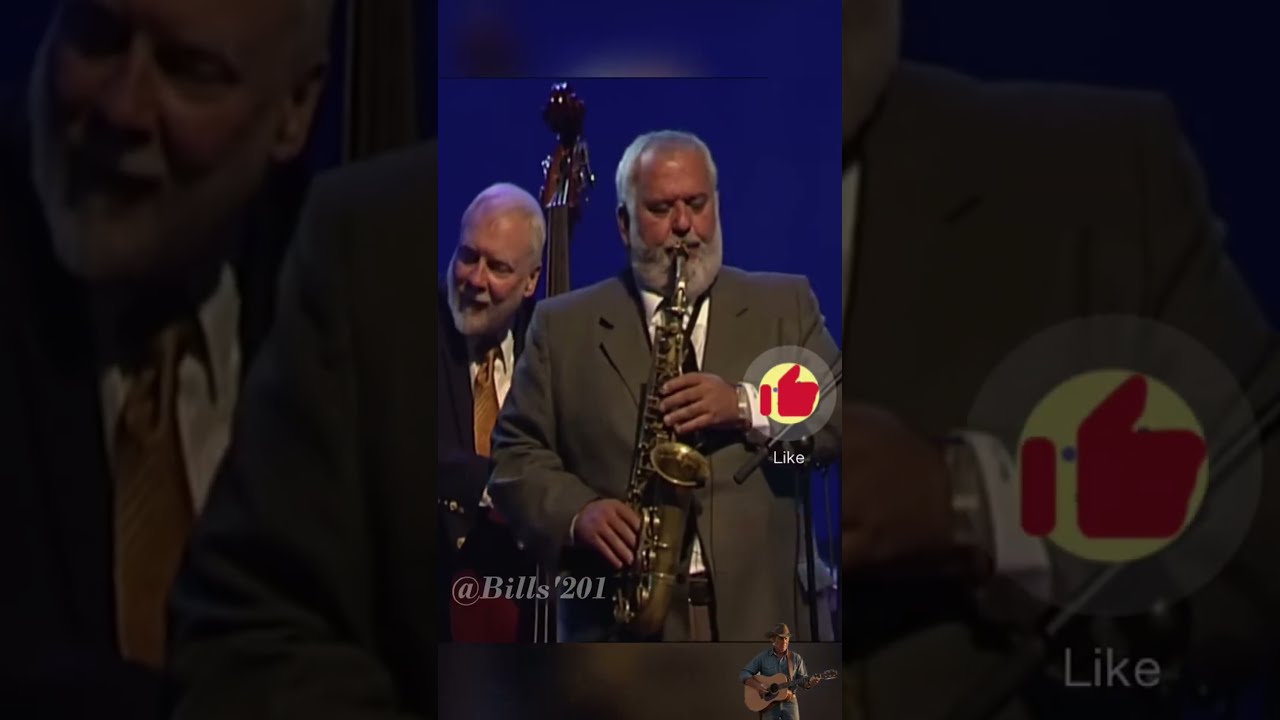
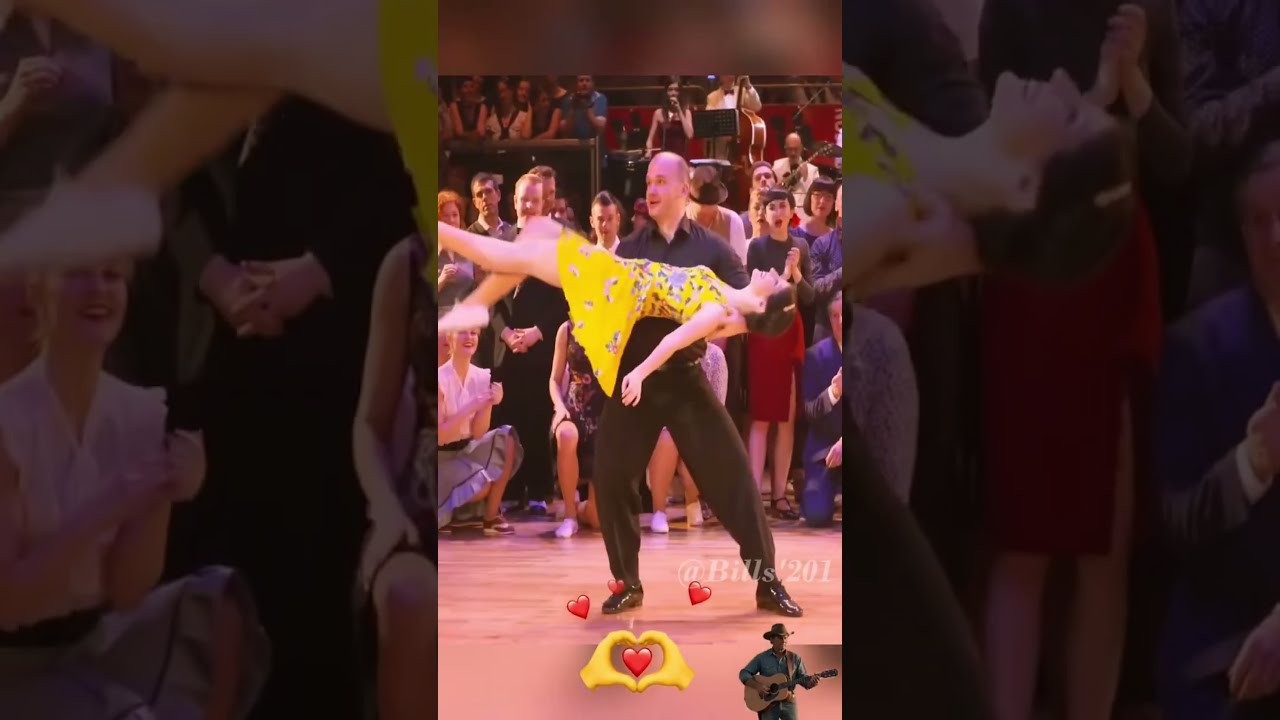
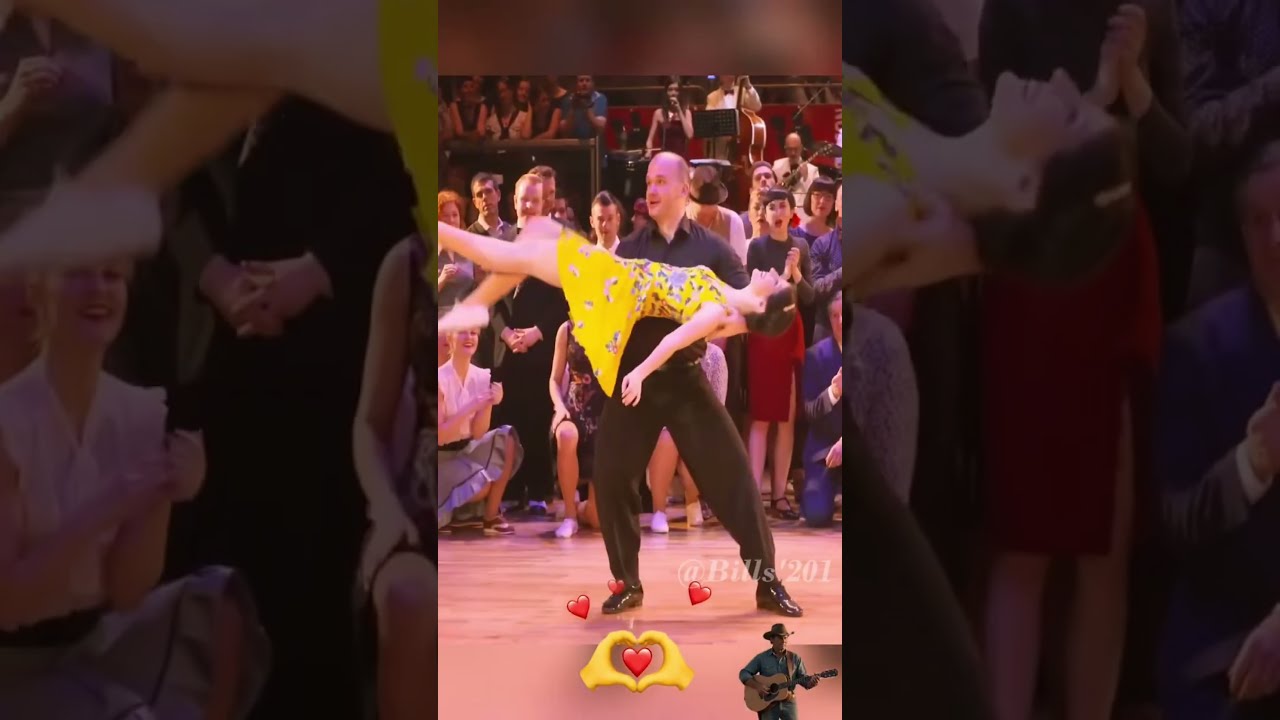
The video mix produced by the Bill’s201 channel pairs Berry’s original recording with footage of world-class swing dancers whose footwork matches the song’s rapid tempo with remarkable precision.
The combination is effective precisely because the music was always meant to move people — Berry’s rhythm guitar and the driving piano arrangement create a pulse that is almost impossible to resist.
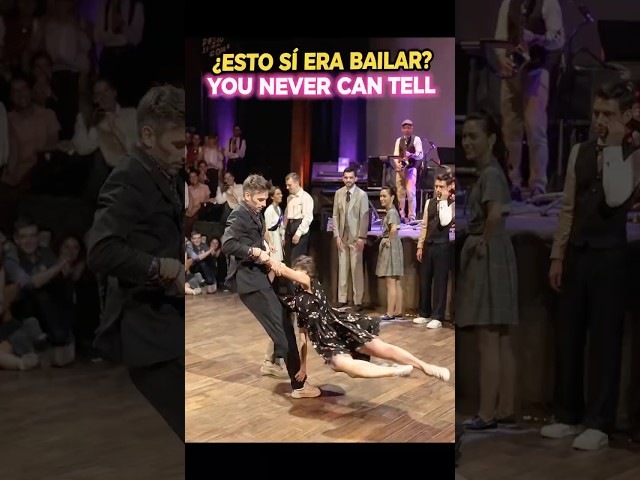
The dancers’ Charleston-influenced steps and synchronized partner work mirror the era the song evokes, and the result is a visual document that treats both the music and the dance form with genuine respect. Audience reaction in the comments reflects viewers from multiple countries, with responses in Portuguese, Russian, and English all expressing the same warm recognition.
The enduring appeal of “You Never Can Tell” speaks to something beyond nostalgia. Berry’s songwriting captured everyday American life with a precision and wit that aged well, and the song’s brisk, joyful energy translates across generations and dance styles without losing anything.
Whether encountered through a vinyl record, a cinema screen, or a short-form video edit, it consistently prompts the same response: movement. The full performance, paired with the dance footage in this special video mix, is available to watch below.