
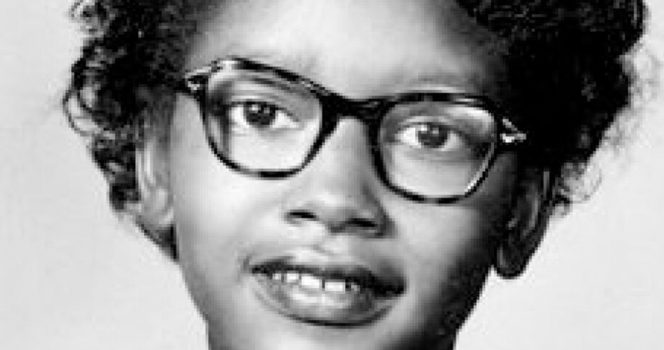
Nearly a decade before her name appeared in history books, and nine months before Rosa Parks’ famous arrest, a 15-year-old Black teenager in Montgomery, Alabama, quietly made a decision that would help dismantle segregation in America.
Her story was overlooked for a long time — but now it’s time for everyone to discover it.
Claudette Colvin, a pioneering civil rights activist who refused to give up her bus seat to a white passenger in 1955, has died at the age of 86.
Her death was announced by the Claudette Colvin Legacy Foundation.
She leaves behind a legacy of courage that helped change the course of American history,” the foundation said in a statement.
A brave act at just 15 years old
Colvin’s protest took place in March 1955, when she was a high school student living in Montgomery. Ordered by a bus driver to move for a white woman, Colvin refused — and was arrested.
At the time, she was just 15.
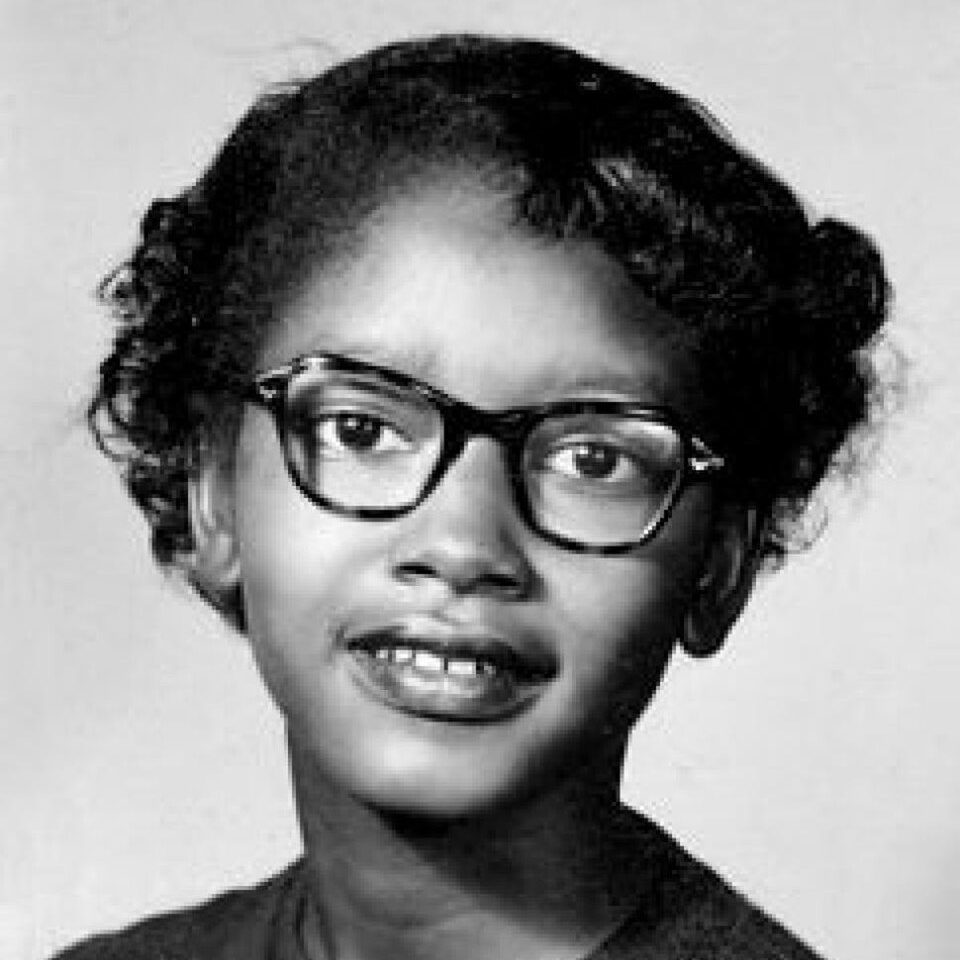
The moment came nine months before Rosa Parks’ arrest, which would later spark the Montgomery Bus Boycott and lead to a landmark U.S. Supreme Court ruling outlawing bus segregation.
Yet for decades, Colvin’s role remained largely unknown.
“I was sitting in the right seat”
In a 2018 interview with the BBC, Colvin explained she wasn’t afraid during the arrest — just angry.
She said she “was not frightened, but disappointed and angry” because she knew she “was sitting in the right seat.”
Colvin often said she felt the strength of history in that moment.
“Whenever people ask me: ‘Why didn’t you get up when the bus driver asked you?’ I say it felt as though Harriet Tubman’s hands were pushing me down on one shoulder and Sojourner Truth’s hands were pushing me down on the other shoulder,” she once recalled.
The case that helped end bus segregation
While Rosa Parks became the public face of the movement, Colvin played a critical legal role behind the scenes.
One year after her arrest, the U.S. Supreme Court ruled that segregation on public buses was unconstitutional. The decision hinged on the testimony of four plaintiffs — and Claudette Colvin was one of them.

Her courage helped bring about a ruling that ended bus segregation not just in Montgomery, but across the country.
Why her story was overlooked
Despite being the first person arrested for challenging Montgomery’s bus segregation laws, Colvin’s story faded from public view for decades.
Civil rights leaders at the time chose not to center her case, and history instead focused on Rosa Parks, whose arrest led to mass boycotts and national attention.
Colvin’s arrest didn’t gain widespread recognition until 2009, when the first detailed book about her experience was published.
Life after history was made
Later in life, Colvin moved to New York and worked as a nurse. According to her organization, she died under hospice care in Texas.
Though her name may not be as widely known, historians now widely acknowledge that Claudette Colvin was a crucial figure in the fight for civil rights — a teenager whose quiet defiance helped push America toward justice.
Her story, once overlooked, now stands as a powerful reminder: history doesn’t always begin with the names we remember first.