Few songs have managed to remain as instantly recognizable, energetic, and influential as “Rock Around the Clock.” Released in the 1950s, the song helped define the early rock-and-roll era and became a soundtrack for a generation discovering a new kind of music. Yet its influence did not stop with the people who first heard it.
Decades later, the song still has the power to get audiences moving.
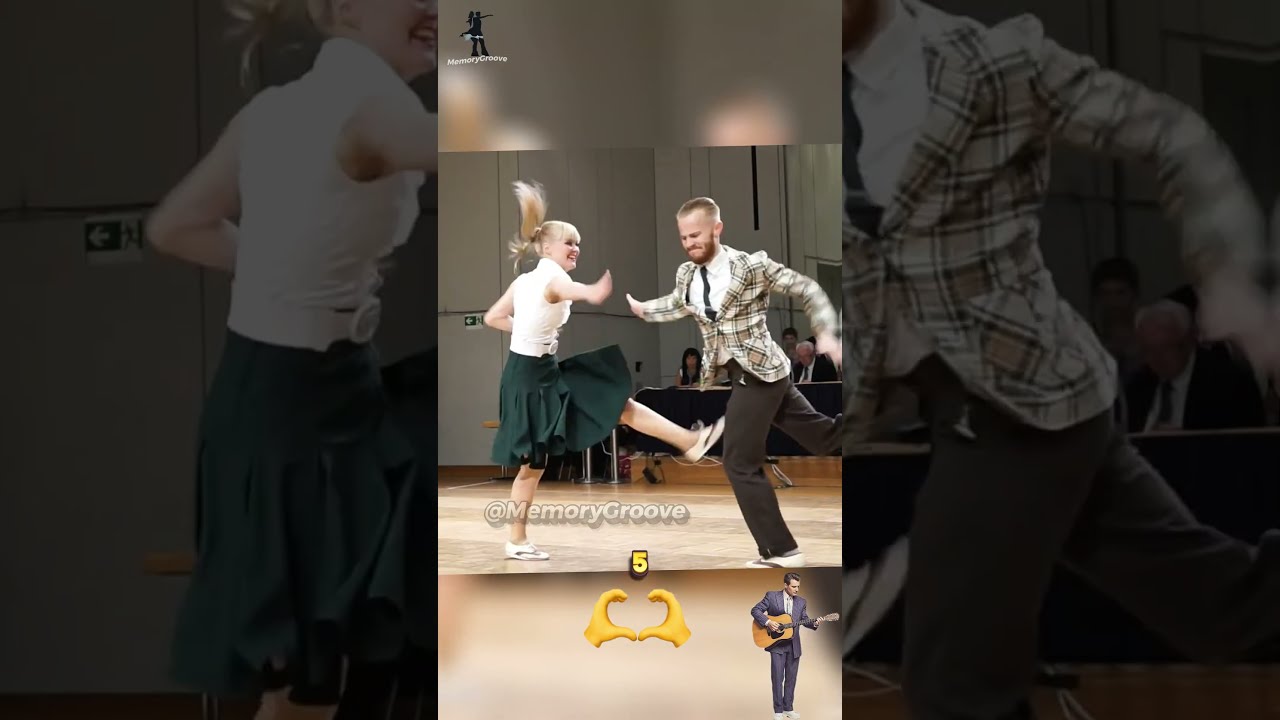
One reason is the enduring appeal of swing dancing. When talented dancers take the floor to “Rock Around the Clock,” they transform a classic recording into something visual, physical, and alive. Their fast footwork, dramatic turns, playful exchanges, and infectious energy demonstrate why music and dance have always been so closely connected.
The result is more than a nostalgic performance. It is a bridge between generations.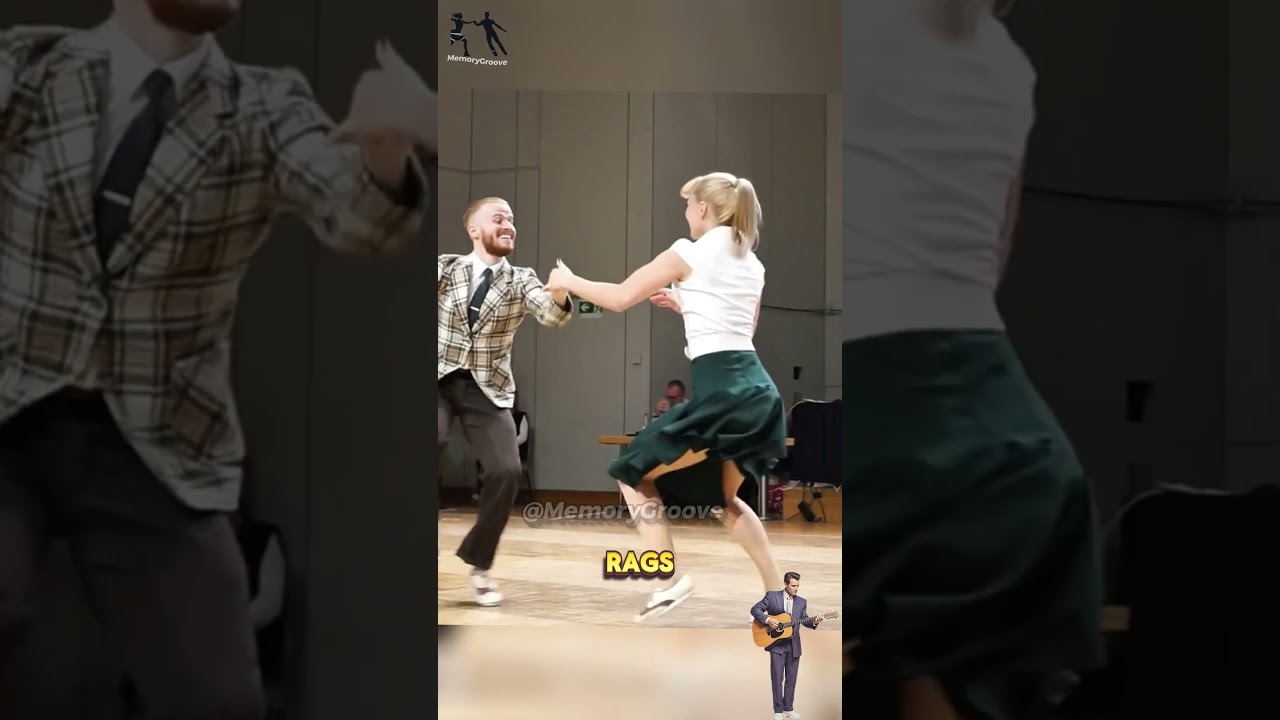
A Song That Changed the Sound of an Era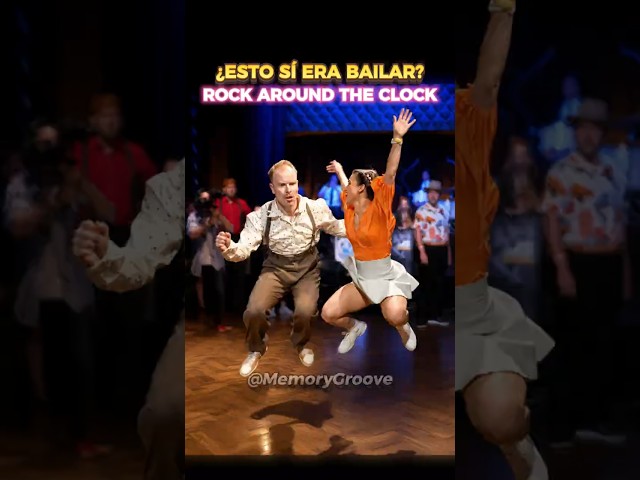
“Rock Around the Clock,” recorded by Bill Haley and His Comets, became one of the defining songs of early rock and roll. Its driving rhythm and straightforward energy captured the excitement surrounding a musical style that was beginning to reach a much wider audience.
For young listeners in the 1950s, rock and roll sounded different from much of the popular music that had come before it.
It was louder.
It was faster.
And it encouraged movement.
The song’s rhythm practically invited people onto the dance floor.
That connection between music and movement became one of the defining characteristics of early rock and roll. Listening was only part of the experience. Audiences wanted to dance, celebrate, and participate.
That spirit remains visible whenever modern dancers perform to the song.
Why Swing Dancing Fits the Music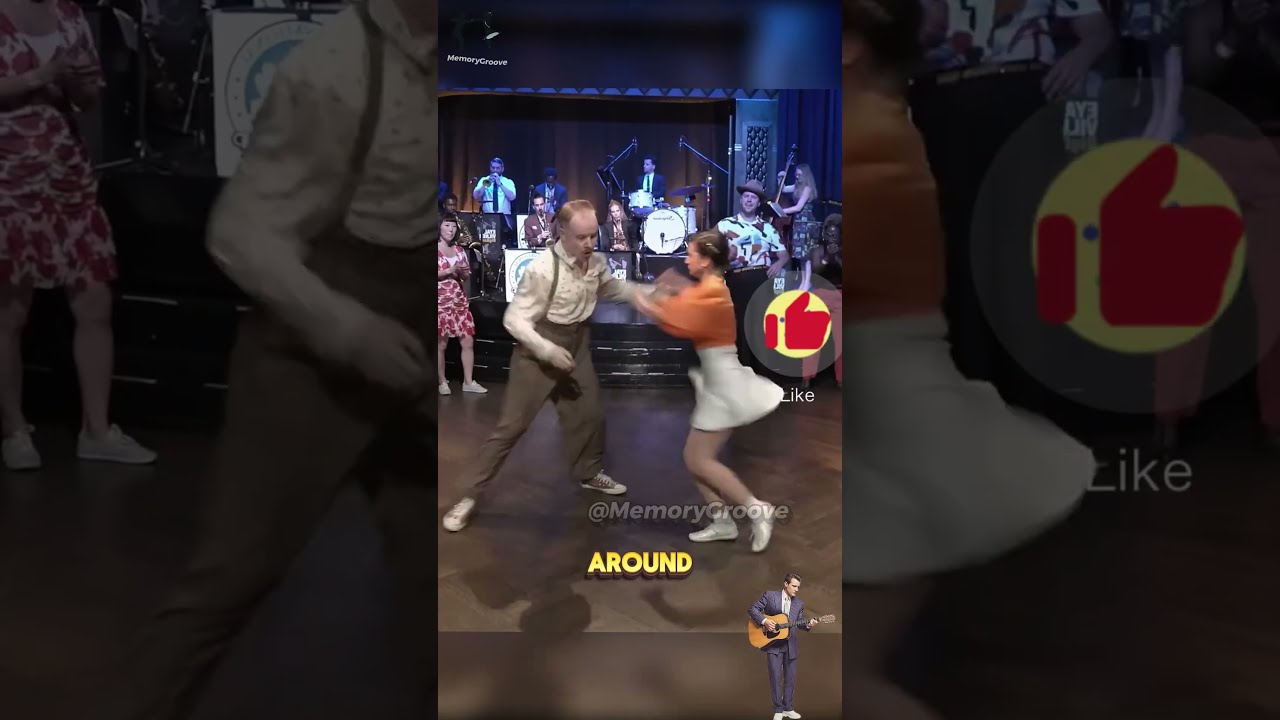
Swing dancing developed through several related styles during the first half of the twentieth century, including dances associated with jazz and big-band music. Over time, different communities developed their own variations, including Lindy Hop, Charleston, Balboa, and other forms.
Although “Rock Around the Clock” belongs to the early rock-and-roll era rather than the original swing era, the song’s energetic rhythm makes it a natural choice for dancers who enjoy fast, playful movement.
Swing dancing is particularly effective because it combines precision with spontaneity.
Dancers may execute carefully practiced sequences, but the best performances also appear effortless. Partners respond to one another, changing direction, speed, and movement while maintaining a strong connection to the rhythm.
That creates a performance that feels alive rather than mechanical.
The Magic of Watching Experienced Dancers
A talented dancer can make difficult movements look easy.
That illusion is one of the most fascinating aspects of swing dancing.
A rapid sequence of steps may require considerable practice, balance, coordination, and trust between partners. Yet when everything comes together, the audience sees only the joy.
The dancers appear to be playing with the music.
They turn.
They spin.
They change direction.
They move apart and reconnect.
Sometimes they add humorous gestures or exaggerated movements that match the personality of the song.
With “Rock Around the Clock” playing in the background, these movements become especially effective because the music itself is associated with youthful energy.
The Importance of Connection
One of the most important elements of partner dancing is connection.
This does not simply mean holding hands or staying physically close. Experienced dancers communicate through subtle changes in movement, timing, posture, and pressure.
One partner may initiate a movement, while the other responds.
A turn can begin with a small signal.
A change in rhythm can be communicated almost instantly.
When two skilled dancers understand one another, the performance can look almost conversational.
That is part of what makes swing dancing so entertaining.
The dancers aren’t merely performing steps.
They are interacting with each other.
Generations Discovering the Same Rhythm
Perhaps the most remarkable thing about “Rock Around the Clock” is its ability to connect people who were born decades apart.
Someone who heard the song when it was new experienced it as contemporary music.
Someone hearing it today may experience it as a piece of musical history.
Yet when the rhythm starts and dancers take the floor, the difference between those experiences becomes smaller.
The song still communicates energy.
The dancers still respond to that energy.
And audiences still recognize the invitation to move.
That is the definition of a timeless performance.