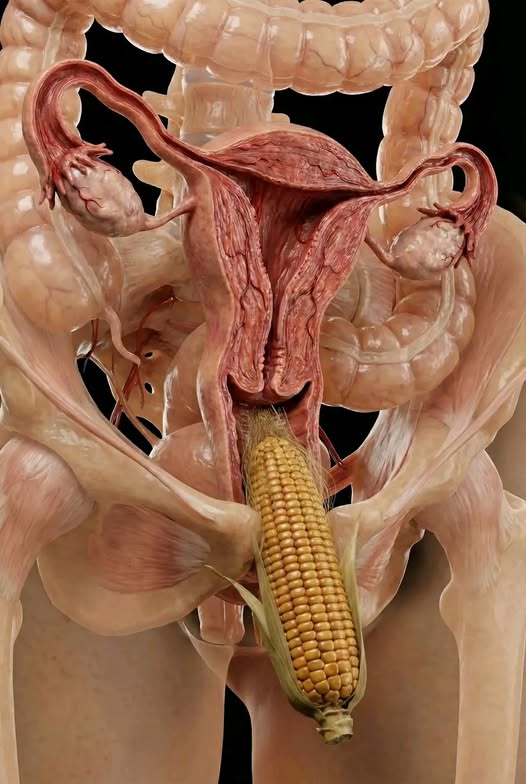
Every year in the United States, thousands of people are admitted to hospitals for a reason that rarely appears in public health brochures: foreign objects becoming lodged in the rectum. Emergency physicians say the cases arrive steadily throughout the calendar year, but many note a distinct seasonal pattern. Around major holidays—especially Christmas—objects tied to celebration, decoration, and novelty begin appearing in emergency departments with surprising regularity.

Dr. Barry Hahn, an emergency medicine physician based in New York, says the holiday season reliably brings an uptick in these cases. He explains that while foreign-object insertions happen year-round, holidays seem to lower inhibitions and increase experimentation.
“During the holiday season, people tend to become more festive and more inventive,” he said. “Kids may accidentally swallow small objects, but adults tend to place things in strategic locations lower down the body.”
Emergency staff describe Christmas-related objects as particularly common in December. Over the years, physicians have treated patients with ornaments, miniature decorative trees, and novelty holiday figurines lodged internally. While privacy laws prevent doctors from sharing identifying details, many say the objects themselves are often memorable enough to become cautionary tales within medical circles.